
Why You need to Choose Your Venue With Light in Mind
When couples begin venue hunting, they’re thinking about capacity, catering, accommodation and that emotional “this is it” moment.
So many couples tell me that photography is one of the most important aspects of their day. But they’ve picked their venue before they’ve even started thinking about photography.
So consider this your gentle warning: Your venue determines what your wedding photos can look like.
Not your photographer’s camera.
Not editing style.
Not even talent.
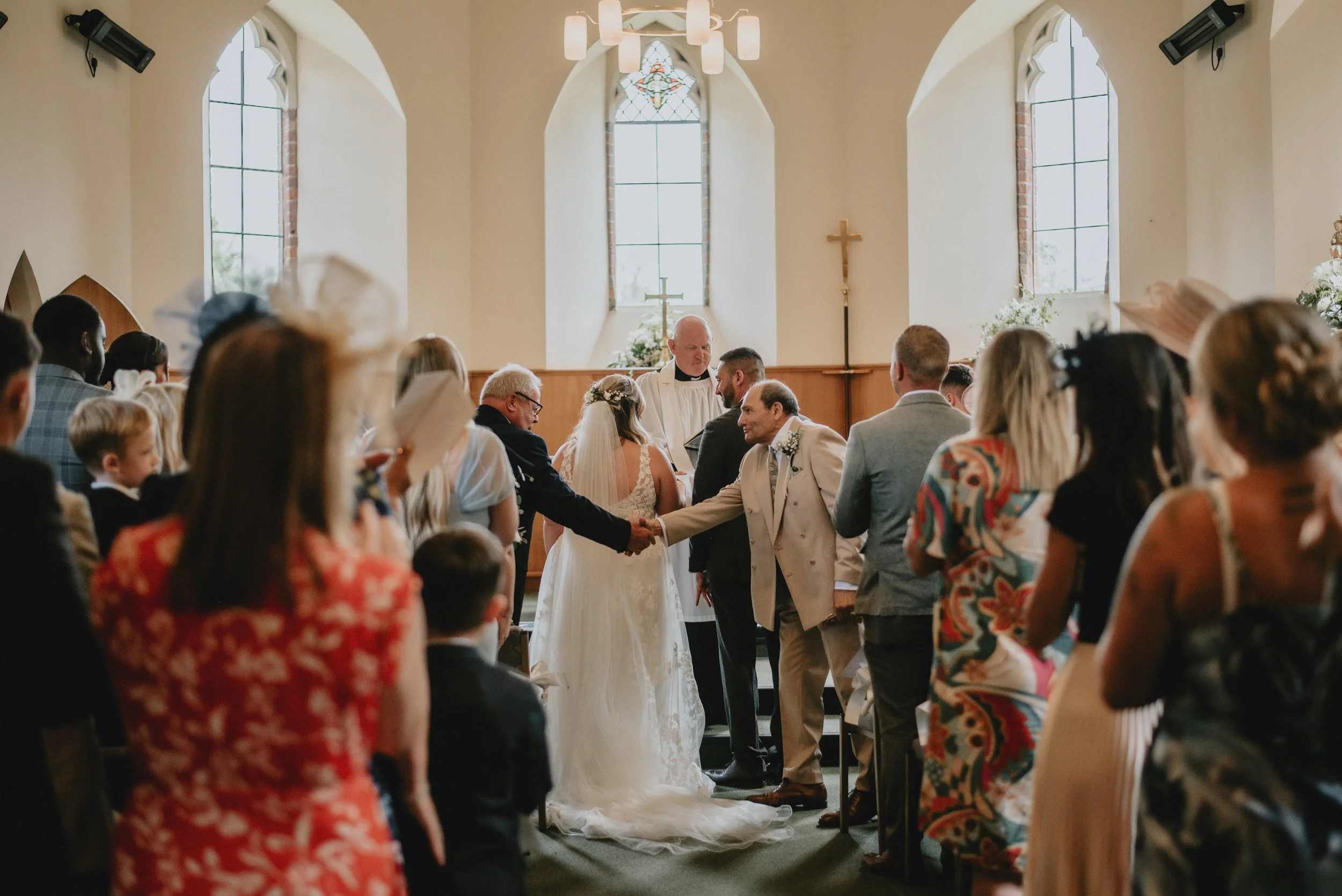
Gorgeous lighting at a classic Church ceremony wedding. Photo captured by Sophie Deller Photography.
This week I’m joined by the brilliant duo at Sophie Deller Photography - Sophie, a professional fine artist, and James, a qualified architect. Between them, they analyse venues through composition, architectural design, solar orientation and material behaviour - which means they see wedding venues very differently to most.
Here’s what couples should understand before signing a venue contract - pairing my planner perspective with Sophie & James’ insight.
1. The Venue Sets the Ceiling
Before we even talk about windows or gardens, let’s start here. As a wedding planner, I see how a venue impacts far more than aesthetics. It affects:
Your timeline
Guest flow
Where people naturally gather
How calm or chaotic transitions feel
And relaxed couples photograph better. Always.
When a venue flows well and has breathing space built into it, everything improves - including your photos.
Sophie & James’ Advice: “The single most important thing couples don’t know when they’re choosing a venue is that the venue determines the ceiling for what’s photographically possible. Not the photographer’s skill, not their camera, not editing. The venue.”
The architecture, the light, the layout - these are the conditions a photographer works within all day.
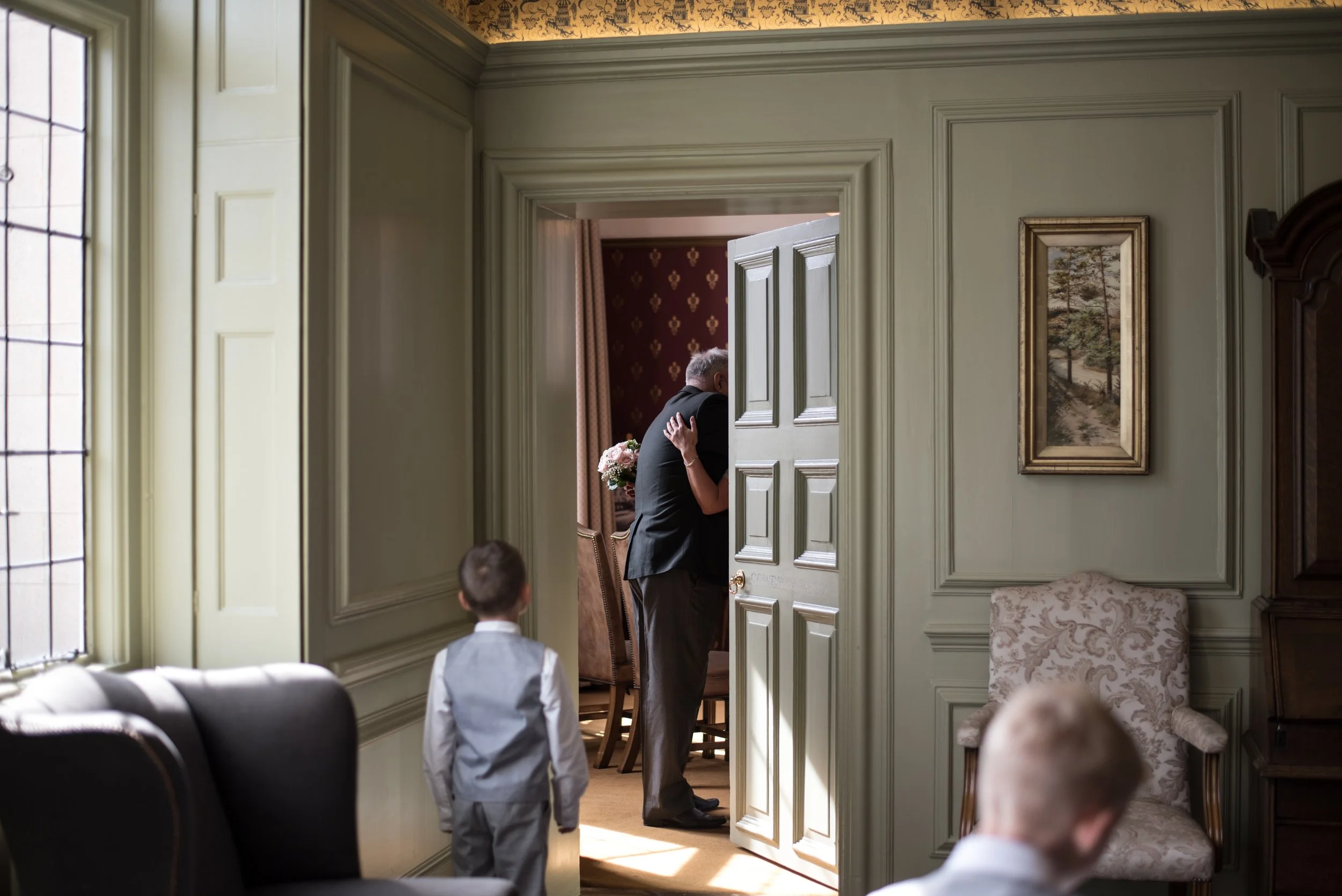
A first look moment, captured by Sophie Deller Photography.
2. Light Is the First Thing to Assess
Most couples walk into a venue and think, “This feels bright.” But very few stop to analyse why.
When I tour a UK wedding venue with clients, I look at:
Where you’ll physically stand during the ceremony
What light is directly above you
Whether the space relies heavily on artificial lighting
How consistent the light feels across the room
Venues such as Hedsor House or Cowdray House are often popular partly because their generous windows and side light create flattering, consistent conditions.
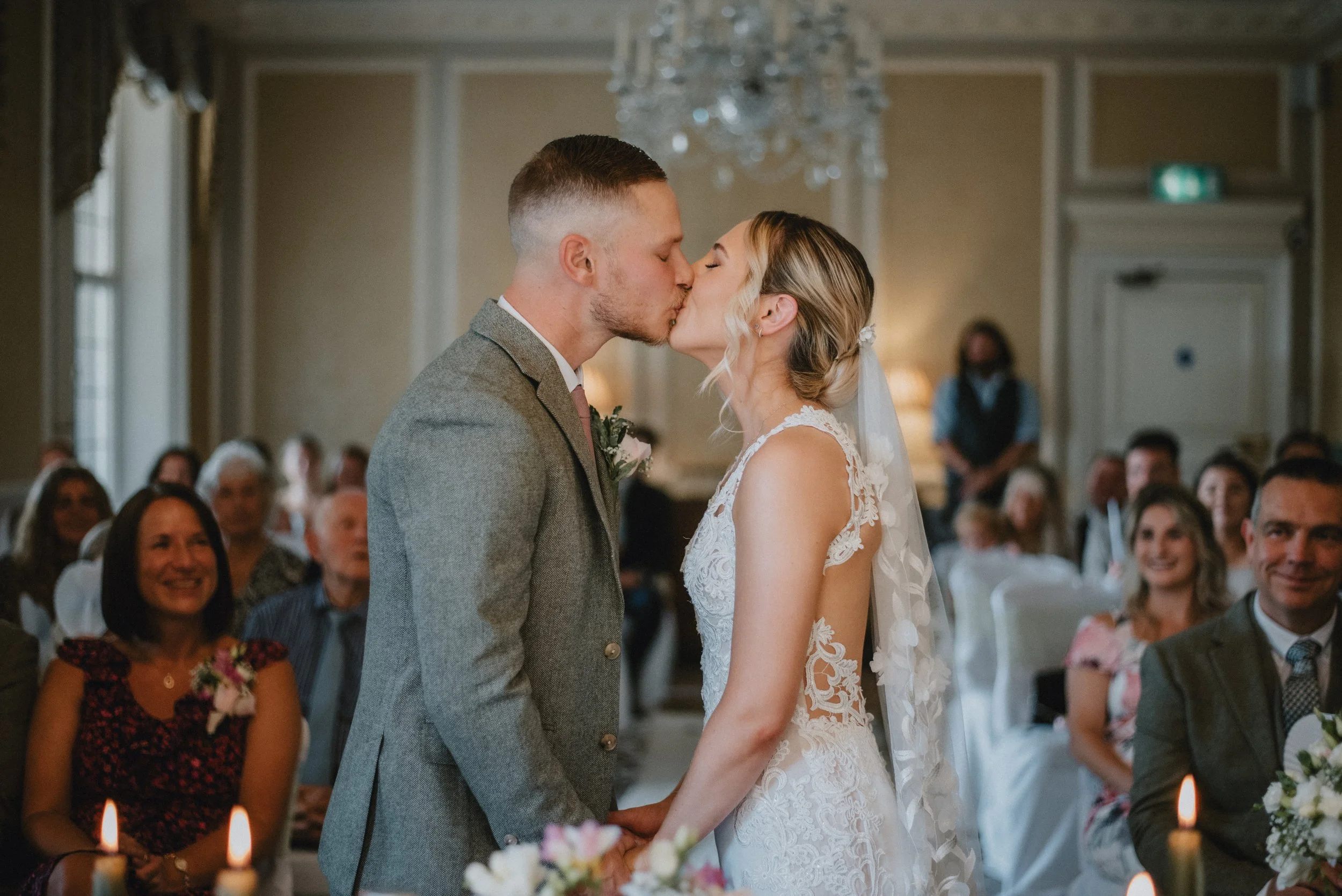
Sophie & James explain it simply: “The size of a light source relative to the subject determines the quality of the shadows it casts - and shadows are what give a face its shape, depth, and dimension in a photograph.”
Large light source? Soft, flattering shadows.
Small light source? Hard, abrupt shadows.
Which is why: “A large window facing away from direct sun functions, photographically, like a very big, very soft light.”
And why overhead downlights can be problematic: “A single bare downlight on a ceiling is a tiny light source, and its shadows are correspondingly harsh.”
3. Orientation & Time of Year Matter More Than You Think
A venue can look completely different in March compared to August. I’ve seen couples fall in love with a ceremony room based on a winter viewing - only to discover that their summer afternoon ceremony is flooded with intense backlight.
If you can:
Visit at the same time of year.
Ask where the sun will be during your ceremony.
Consider adjusting ceremony timing to protect your light.
At venues like Euridge Manor, orientation makes a huge difference to how ceremony photographs feel throughout the day.
Sophie & James highlight something most couples don’t realise: “In the UK the sun never reaches directly overhead - even at midsummer the solar altitude is roughly 60 degrees at noon, and by December it peaks at around 15 degrees. A north-facing room never receives direct sun at all in the UK - it admits only diffused natural light, which is consistent, even, and beautifully soft throughout the entire day. A south-facing room tracks the sun across its full arc - direct sunlight enters at some point during almost every clear day.”
And so… Don’t fall in love with how the light hits certain walls if your day and time you visit is different to your wedding.
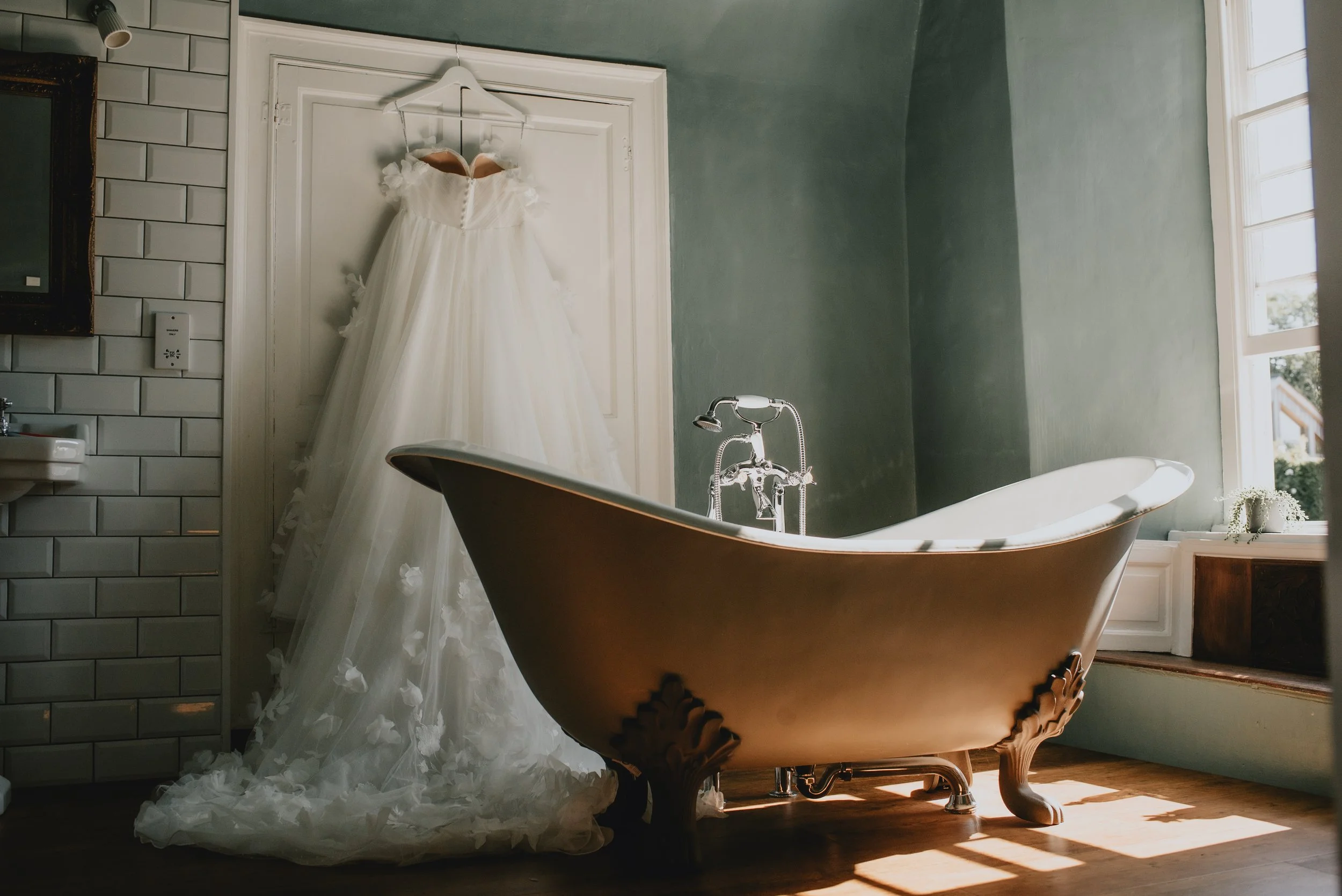
Perfect lighting and setting for detail shots matter. Photograph captured by Sophie Deller Photography.
4. Outdoor Spaces Need Structure - Not Just Beauty
Couples often focus on whether a venue has a “pretty garden.” But from a planning perspective, I’m looking for functionality.
When choosing a wedding venue with photography in mind, I look for:
Multiple outdoor settings
Shade options
Easy access from the reception space
Areas that won’t require walking through all your guests
Open lawns are beautiful but without shade, they can be challenging at peak summer.
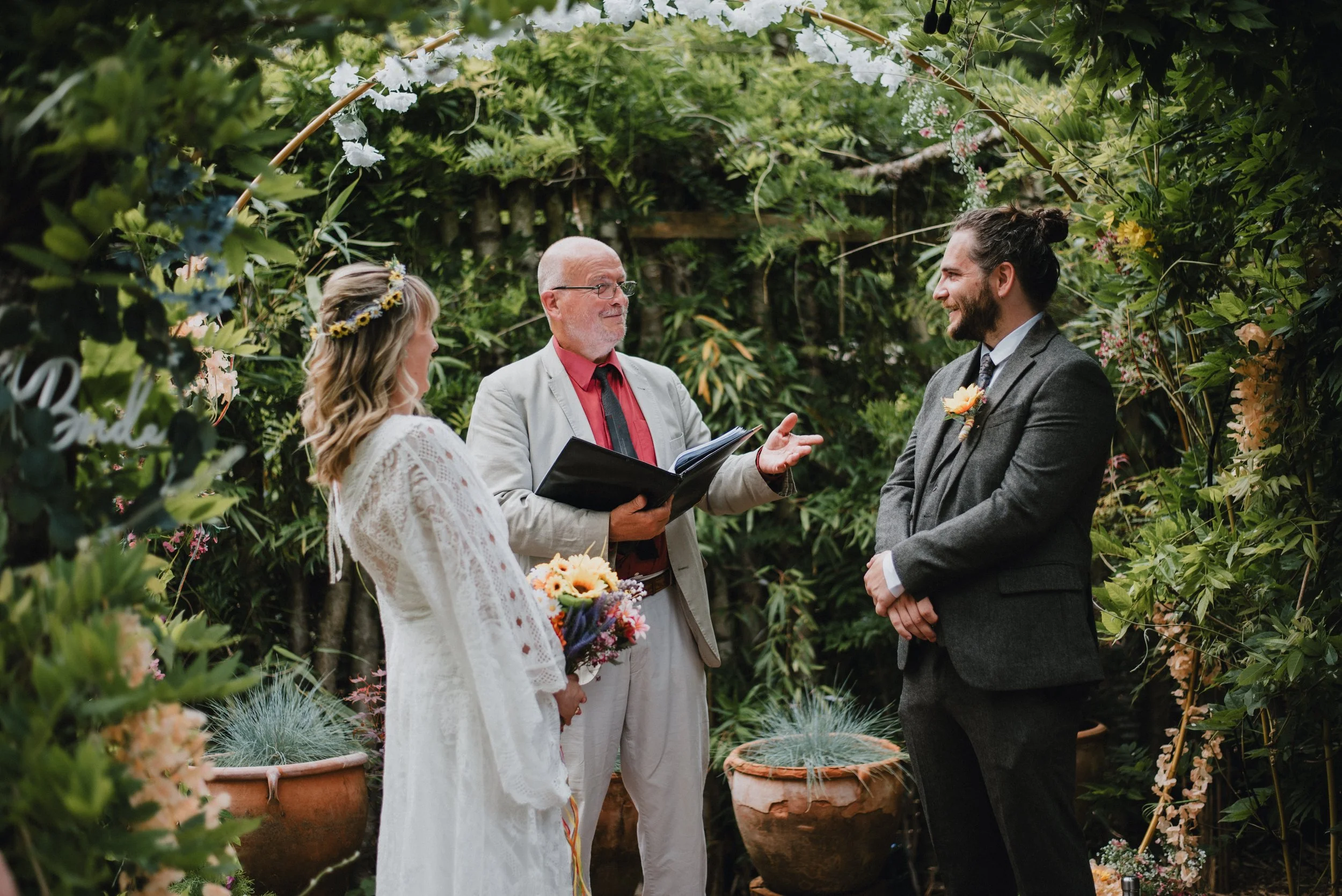
Interestingly, Sophie and James say: “An overcast sky is an enormous diffuser stretched across the entire sky - it produces soft, even, shadow-free light.”
What’s actually harder? “Strong, direct summer sun with no available shade.”
They explain that harsh overhead sunlight creates deep eye shadows and extreme contrast - neither of which can simply be “fixed in editing.”
5. The Ceremony Room: Look Behind You
Most couples focus entirely on the front of the ceremony room. When I conduct venue tours, I now physically walk couples down the aisle and ask them to turn around.
Because the back wall becomes the backdrop for:
Your entrance
Guest reactions
Some of the most emotional images of the day
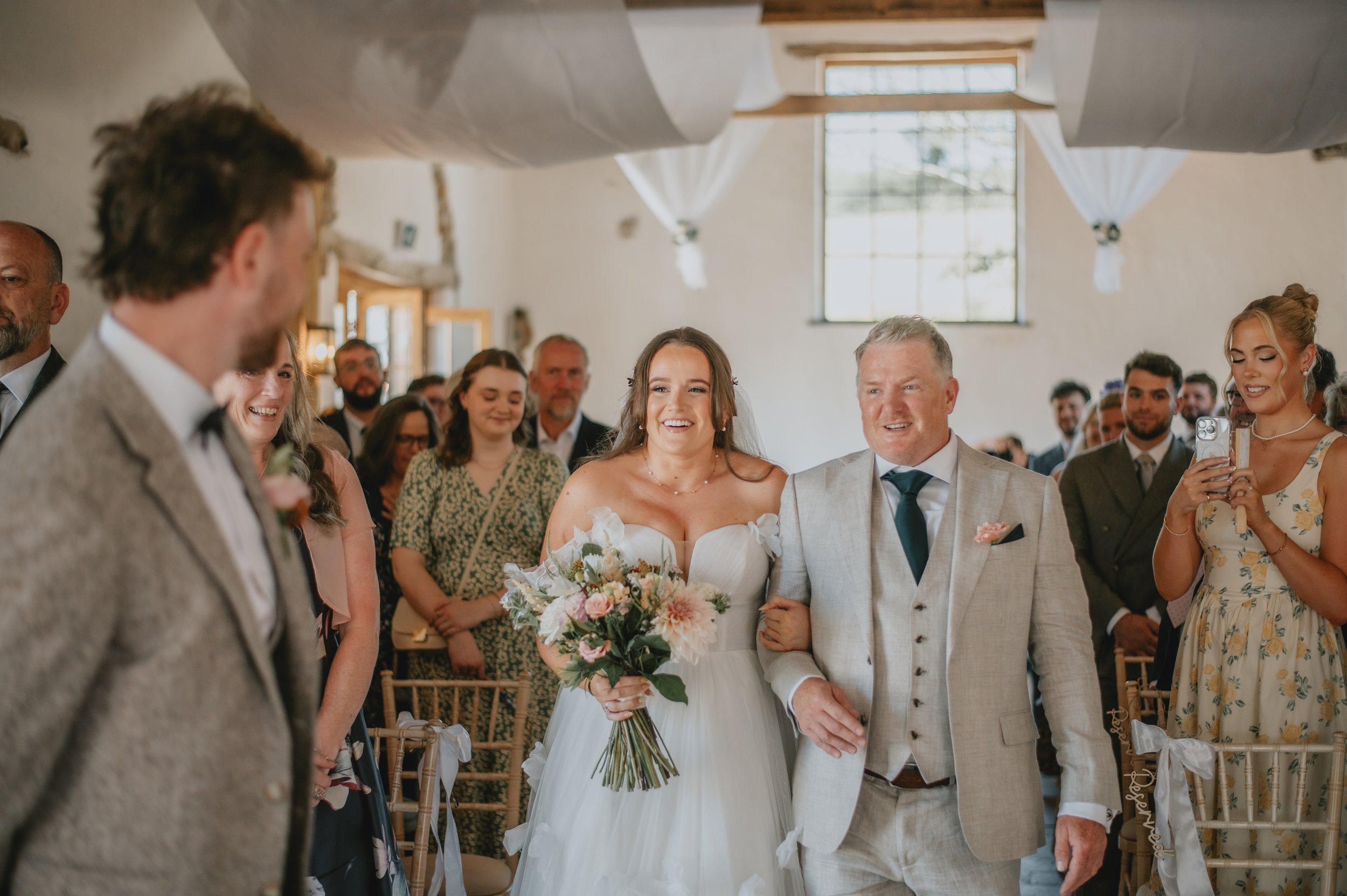
Check for signage, clutter, harsh lighting and service doors.
Sophie & James put it perfectly: “The near-universal focus when couples assess a ceremony space is the front… But there is an equally important consideration that almost nobody thinks about: what is at the back of the room.”
6. Reception Rooms Can Help or Hinder
Evening photography is hugely influenced by the reception setup. I look at:
Table spacing (can suppliers move freely?)
Ceiling height
Lighting colour
DJ setup
I also ensure lighting plans are discussed in advance, not discovered mid-first dance.
Sophie & James highlight: “High ceilings allow flash to bounce off the ceiling and return as soft, diffuse light.”
Whereas dark, low ceilings: “Absorb the flash entirely… introducing digital grain and a reduction in image quality that no amount of editing can fully recover.”
These are conversations worth having early.
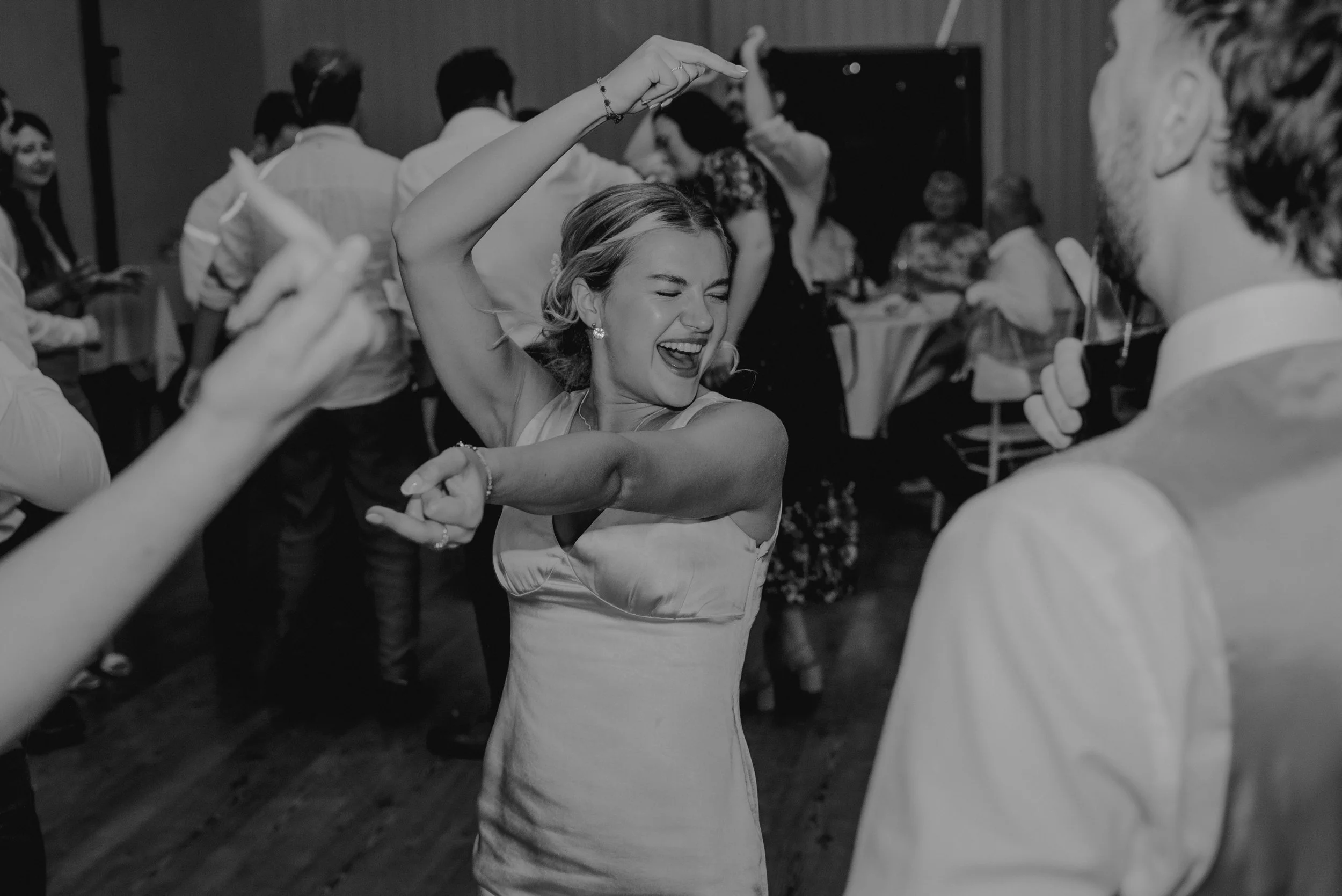
Perfect reception lighting, to capture photos of your guests dancing the night away. Photo credit: Sophie Deller photography.
7. Timeline Is Where It All Comes Together
Even the most beautiful venue can fall short if the timeline isn’t protected. This is where my role becomes critical.
I always:
Build buffer into transitions
Protect portrait time
Account for photographer travel and positioning
Ensure reception rooms are captured before guests enter
Because once light is gone, it’s gone.
Sophie and James are very clear on this: “Golden hour in November is not reschedulable. A tight schedule that hasn’t accounted for photographer positioning and transit - not just the couple’s - will produce gaps in coverage that cannot be recovered.”

Final Thoughts
Sophie and James summarise it beautifully:
“The venue is not the backdrop to your photography. It is the foundation of it.”
From a planner’s perspective, I’d say this:
The right UK wedding venue doesn’t just look good - it supports your timeline, your suppliers and your experience. When planning and photography are considered together from the start, everything feels calmer, more intentional and ultimately more beautiful.
If you’re currently choosing your wedding venue and want support balancing logistics, guest experience and photographic potential, I’d love to help.
Visit my services page to find out more about the planning options I offer, and enquire today to see if I’m available to help with your planning.
Supplier Spotlight
And if you want photographers who genuinely understand light and architecture at a technical level, do explore Sophie Deller Photography and to learn more about how lighting and architecture can impact your wedding photographs, get Sophie and James’ free guide on how to pick a wedding venue with photography in mind.
So that your venue works with you - not against you.
